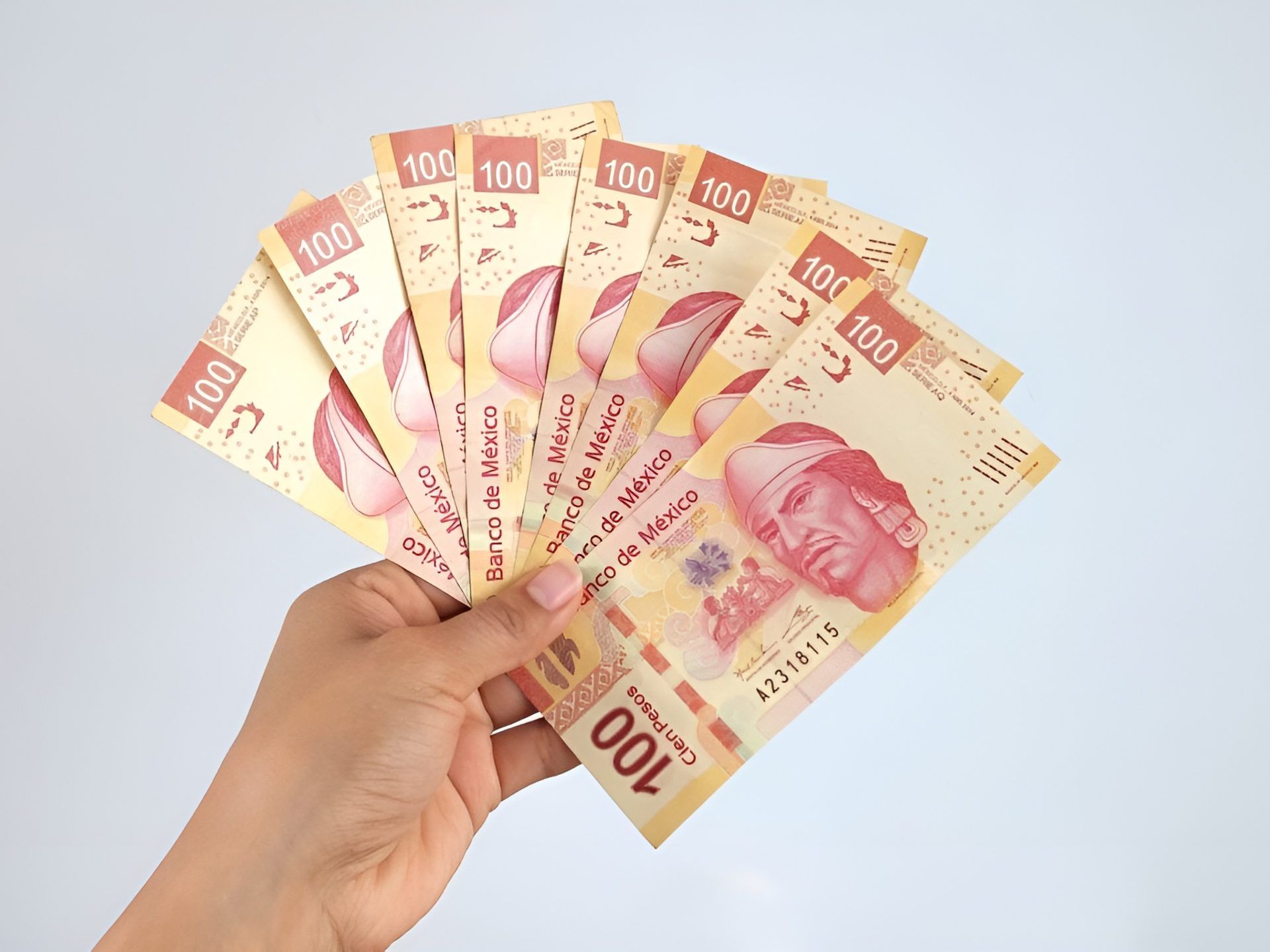
On 1 January 2026 Mexico's statutory minimum wage rose. The first pay run of the year is the most common place for the mistake that follows: if the payroll configuration still holds December's figure, a worker who should be on the new floor is paid last year's rate. For 2026 the gap in the general zone is MXN$36.24 a day, roughly MXN$1,100 a month per worker. The minimum wage cannot be reduced by any deduction, so the shortfall cannot be netted off later. It becomes back-pay, and a labour inspection (STPS) that finds it treats the amount as underpayment across every affected worker at once.
The minimum wage is more than a headline rate. For payroll it is the floor that several other figures are measured against, and CONASAMI resets it every January. Because the floor changes on a fixed schedule and other numbers are keyed to it, payroll has to update the rate and everything derived from it at the start of each year.
Two zones, set by CONASAMI, effective 1 January
Mexico does not have one minimum wage. The national commission, CONASAMI, sets two: a general minimum for most of the country and a higher one for the Zona Libre de la Frontera Norte, a strip of 45 municipalities within 25 km of the United States border. Both are published in the official gazette (DOF) and take effect on 1 January.
For 2026 the general minimum is MXN$315.04 per day, a 13% increase over the 2025 figure of MXN$278.80. The northern border minimum is MXN$440.87 per day, a 5% increase (CONASAMI resolution, DOF 9 December 2025). The border rate rises more slowly in percentage terms because it was already lifted sharply when the zone was created in 2019; in pesos it stays about 40% above the general rate.
The zone follows the municipality where the worker actually performs the work, not where the employer is registered. A worker in Tijuana earns the border minimum; a worker in Guadalajara or Monterrey earns the general one, even though Monterrey sits in a border state.
A daily figure, converted to a month
The Mexican minimum is a daily amount (LFT Art. 90). Monthly payroll needs a monthly figure, and the conversion CONASAMI uses is daily × 365 ÷ 12, which is daily × 30.4167, not daily × 30.
Take a worker at the general minimum:
- Daily: MXN$315.04
- Monthly: MXN$315.04 × 365 ÷ 12 = MXN$9,582.47
The same job in the border zone:
- Daily: MXN$440.87
- Monthly: MXN$440.87 × 365 ÷ 12 = MXN$13,409.80
The difference is MXN$3,827.33 a month for identical work, decided only by the municipality. Using daily × 30 instead of × 30.4167 looks close, but it understates the monthly minimum by about MXN$131 and pushes that error into every figure built on the monthly floor.
One rule sits behind all of this: the minimum wage is exempt from attachment, set-off, or discount (CPEUM Art. 123-A-VIII). Payroll deductions cannot pull a worker's cash wage below the statutory daily floor for the days worked. A garnishment, a loan repayment, a payroll advance: none of them can take the paid amount under the minimum. The one exception is a court-ordered pensión alimenticia (child or family support): under LFT Art. 97-I it may be withheld even when that pushes the worker below the minimum wage, because it is money owed to the worker's dependants rather than a deduction for the employer's benefit (the dependants who qualify are those listed in LFT Art. 110-V).
The minimum wage sets the IMSS contribution floor
The minimum wage does more than set the lowest cash wage. It is also the floor for the SBC (salario base de cotización), the wage base used to calculate social-security (IMSS) contributions. The SBC for any worker cannot be reported below the minimum wage of that worker's zone (LSS Art. 28, which sets that zone minimum as the lower limit of the contribution base). So when the general minimum rose to MXN$315.04, the minimum SBC rose with it, and the IMSS contributions for everyone at or near the floor rose too. A payroll that updates the cash wage but not the contribution base under-reports to IMSS, which is identified as back-contributions with surcharges when the record is reconciled.
Two recent reforms raise the real cost of a minimum-wage worker even when the daily rate is the only figure announced. The 2023 "vacaciones dignas" reform doubled the statutory first-year vacation from 6 to 12 paid days (LFT Art. 76). The 2026 reform now shrinks the standard work week from 48 hours toward 40, in yearly steps through 2030 (48 in 2026, then 46, 44, 42, 40), and it forbids cutting wages to match (constitutional reform, DOF 3 March 2026). Together these mean the number of hours behind each day of pay is falling while the daily wage keeps rising every January. The effective hourly cost of a minimum-wage worker therefore rises on two fronts at once, even though only the daily figure gets announced.
Why the minimum no longer drives fines: the UMA
For decades the minimum wage was also the reference unit for fines, benefit ceilings, and tax thresholds, so every increase in the wage raised all of those at the same time. The 2016 constitutional reform (DOF 27 January 2016) ended that link. The reform created the UMA (Unidad de Medida y Actualización), a separate index that rises slowly with inflation, and moved fines, contribution ceilings, and most legal thresholds onto the UMA. For 2026 the UMA is MXN$117.31 per day (effective 1 February 2026), well under half the general minimum.
The practical read for payroll: the minimum wage now governs worker pay and a short list of pay-linked items such as the SBC floor and the seniority-premium cap. The minimum wage no longer sets the value of a fine or an INFONAVIT threshold; the UMA does. Using the minimum wage where the UMA applies, or the reverse, produces contributions and withholdings that are wrong in a consistent direction. Payroll needs both numbers, updated on their own schedules: the minimum wage every 1 January, the UMA every 1 February.
The numbers reset on different dates and depend on each other
These figures change on fixed dates in different months, and they depend on one another: the January minimum wage sets the SBC floor, the February UMA sets the contribution ceilings, and the annual work-week step-down changes the hours behind each day of pay. A stale value anywhere in that sequence produces an underpayment or an under-contribution, which a manual run usually does not surface until an STPS or IMSS review does.
Flux applies the current numbers to the right base for each worker: the two zone minimums each January, the UMA each February, and the work-week step-downs through 2030, so the first pay run of the year uses the current floor and the correct SBC rather than December's figures. The daily rate is a single announced number; staying compliant means updating every figure tied to it as each reset date arrives.

Niko Nurmentaus
Product Lead
Related Posts